Dealing with bulky waste in Old Coulsdon: costs & options
Posted on 02/06/2026
Dealing with bulky waste in Old Coulsdon: costs & options
If you've got an old sofa in the hallway, a mattress that won't fit in the car, or a fridge-freezer that's started humming its last tune, you're probably looking for a straightforward way of dealing with bulky waste in Old Coulsdon. The tricky part is that there usually isn't one "best" answer. Costs vary, access can be awkward, and some items are easier to move than they look at first glance. A bulky waste job can be as simple as one chair, or as fiddly as clearing a garage full of mixed junk on a wet Thursday afternoon. Not glamorous, but very real.
This guide breaks down the costs and options in plain English, so you can choose the right route for your home, budget, and timeline. You'll see when it makes sense to book a collection, when a van and a couple of hands are the more practical route, and where people often waste money by choosing the wrong method. We'll also cover safety, compliance, and a few local-minded tips that make the whole thing less of a headache.
Quick takeaway: the cheapest option is not always the best one. In practice, the right choice depends on access, item type, urgency, and whether the waste can be reused, recycled, or needs careful handling.
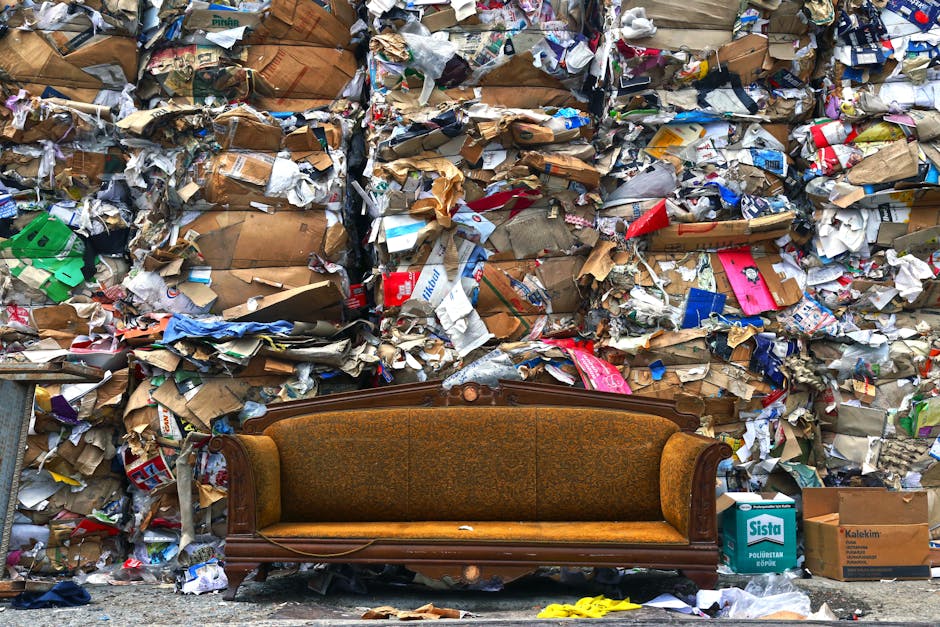
Why dealing with bulky waste in Old Coulsdon matters
Bulky waste is one of those things that quietly gets in the way of life. A wardrobe blocks a room you need to use. An old bed frame makes a moving date more stressful than it should be. A broken freezer sits in the garden for "just a week" and somehow becomes part of the scenery. Sound familiar?
In Old Coulsdon, bulky items can be particularly awkward because homes often have a mix of driveways, shared access, narrow side paths, and limited parking at certain times. That means the cost of getting rid of an item is not just about disposal. It's also about handling, carrying, loading, and sometimes a bit of careful planning around access.
There's also a sustainability angle. Reusing, repairing, or recycling a large item is usually better than sending it straight to disposal. If you're trying to declutter before moving, it's worth reading our guide on decluttering before a house move because bulky waste decisions are often easier once you've separated what stays, what goes, and what might be donated or sold.
Let's face it: the wrong disposal choice can cost more in time, money, and stress than the item is worth. The right one can make a house move, renovation, or spring clear-out feel surprisingly manageable.
How dealing with bulky waste in Old Coulsdon works
Most bulky waste jobs follow one of a few paths. The item is either collected, transported, reused, recycled, or broken down for responsible disposal. The process feels simple on the surface, but the detail matters. A mattress and a three-seater sofa are not the same job, and neither is a piano. Yes, someone always asks about the piano.
For householders, the first step is usually deciding whether the item can be:
- sold or given away;
- reused by someone else;
- broken down safely into smaller parts;
- collected as part of a move or clearance;
- or disposed of through a bulky waste collection route.
In practical terms, the main cost drivers are:
- Item size and weight - heavier items usually need more manpower and time.
- Access - stairs, narrow corridors, and restricted parking can increase labour.
- Volume - one item is cheaper than a van full, although economies of scale do apply.
- Urgency - same-day or short-notice help often costs more.
- Special handling - pianos, appliances, and awkward furniture may need extra care.
- Destination - recycling, reuse, and disposal routes all involve different handling processes.
If your bulky waste is being cleared around a move, it can help to think in stages. A move-friendly approach might involve sorting, packing the keep pile, arranging removal of bulky items, and then storing anything that stays but doesn't need to be in the house right away. For that middle stage, storage in Old Coulsdon can sometimes be the cleaner solution than forcing everything out at once.
Key benefits and practical advantages
Choosing the right bulky waste option is not just about getting rid of stuff. It can genuinely improve how your home feels and how smoothly a move or refurbishment goes. Here's what people usually gain when they do it properly.
1. More space, quickly
Bulky items eat room. Once they're gone, rooms suddenly look bigger and brighter. You notice the light again. The air feels different too, oddly enough.
2. Less physical risk
Moving a wardrobe or a fridge can go wrong fast. The obvious risk is back strain or a dropped item. Less obvious is damage to walls, floors, bannisters, or the item itself. If you want a better sense of safe lifting and handling, our article on heavy lifting techniques for DIY movers is a useful companion read.
3. Better budgeting
When you compare disposal, donation, resale, and collection properly, you can avoid paying for a rush solution that didn't need to be rushed. That's especially true if you're already spending money on a move. A sensible bulky waste plan can free up budget for the more important parts of the job.
4. Cleaner environmental outcomes
Recycling and reuse are usually better than throwing everything into general waste. Where possible, a responsible provider will separate recyclable material, which supports a more sustainable outcome. If this matters to you, it's worth reviewing the company's recycling and sustainability approach.
5. Less stress, plain and simple
There's a real difference between staring at a large unused item and having a plan for it. One feels like a problem. The other feels like progress.
Who this is for and when it makes sense
Bulky waste removal is relevant to more people than you might expect. It is not just for full house clearances or end-of-tenancy situations. In fact, many jobs are one-off and pretty ordinary.
- Homeowners clearing a garage, loft, shed, or spare room.
- Tenants replacing furniture before a move-out inspection.
- Families upgrading beds, sofas, or appliances.
- Landlords and agents dealing with leftover furniture between occupancies.
- Students who need to get rid of items before moving between properties.
- Small businesses clearing office furniture, filing cabinets, or old stock.
It also makes sense when the item is technically movable, but not by one person and not in a small car. A sofa bed, for example, sounds manageable until you try turning it around a tight landing. Then it becomes one of those "why did we think this was a good idea?" moments.
If the bulky item is part of a wider move, it may help to pair disposal with a removal plan. Our service pages on man and van in Old Coulsdon and removal services in Old Coulsdon are useful if you need help with transport as well as lifting.
Step-by-step guidance
If you want to keep costs sensible and avoid last-minute chaos, a structured approach works best. Here's a practical way to handle it.
- List the items
Write down every bulky item you want gone. Include approximate size, whether it comes apart, and whether it has any hazards or stains. Don't skip the odd bits. The small, awkward one is often the one that causes the delay.
- Sort by destination
Separate items into reuse, recycle, dispose, and unsure. If something still has life in it, don't rush it into the waste pile. A surprisingly decent chair can often be rehomed. A broken chair, not so much.
- Check access
Look at stairs, door widths, parking, loading space, and any time restrictions. In Old Coulsdon, access can matter almost as much as the item itself.
- Decide whether it needs dismantling
Some furniture is cheaper and safer to remove in parts. Beds, wardrobes, and some office desks are classic examples. If a bed is involved, our guide to moving beds and mattresses may help you judge what to keep intact and what to take apart.
- Compare options
Look at collection, DIY transport, van hire with lifting help, or a full removal-style service. Ask what is included in the quote. Labour, mileage, loading time, waiting time, and disposal handling can all change the final number.
- Prepare the item
Empty drawers, remove loose parts, tape doors shut if needed, and clear the path. That little bit of prep often saves money and time.
- Book the right slot
If you can, choose a time that avoids parking headaches and busy household rush. Early mornings are often calmer. In the evening, people are usually just tired and in the way. It happens.
- Confirm what happens next
Ask whether the item will be reused, recycled, or disposed of responsibly. Good providers should be clear about the process, even if not every item can be handled the same way.
Expert tips for better results
Here are a few practical tips that save trouble more often than not.
- Group similar items together. A mattress, sofa, and wardrobe all need different handling. Listing them clearly helps avoid underquoting.
- Photograph awkward items. A quick photo can reveal whether the job is simple or more fiddly than it first sounds.
- Ask about combined jobs. If you already need a move, it may be smarter to bundle bulky waste into the same visit. That can be more efficient than arranging separate trips.
- Check for hidden weight. Old wooden furniture and appliance motors are heavier than they look. A visual guess is often wrong.
- Don't leave it too late. The day before a move is a bad time to discover your old wardrobe needs two people and a plan.
One local reality: narrow access around some properties means carrying time is often longer than loading time. That is especially true where parking is limited or a vehicle can't get close to the front door. For a useful local perspective, see the article on narrow-access removals on Old Coulsdon High Street.
And if you're coordinating parking or access near a busier route, our guide to packing and parking near Coulsdon South Station has some surprisingly useful planning points.

Common mistakes to avoid
Most bulky waste problems come from a handful of avoidable mistakes. Nothing dramatic. Just the sort of things that look small on Tuesday and become annoying by Friday.
- Assuming every item is "just rubbish". Some items can be repaired, donated, or resold.
- Underestimating access. Stairs, tight corners, and parking can turn a simple job into a longer one.
- Forgetting to measure. If it has to fit through a doorway, measure it. Eyeballing it is a brave strategy, but not a reliable one.
- Leaving hazardous contents inside. Fridge-freezers, cabinets, and desks sometimes hide batteries, liquids, or sharp items.
- Picking the cheapest quote without checking what's included. A low headline price can be misleading if labour, disposal handling, or waiting time are extra.
- Trying to move heavy items alone. A "we should be fine" moment can become a sore back and a scratched wall very quickly.
If the bulky item is a sofa or similar large upholstered piece, our guide to sofa storage and handling can help you decide whether it's worth keeping, storing, or sending on.
Tools, resources and recommendations
You do not need a warehouse of equipment to deal with bulky waste properly, but a few simple tools help a lot. A tape measure is essential. A dolly or sack truck can help where floors are level. Work gloves, furniture blankets, strong tape, and a basic set of tools for dismantling are also useful.
For household clear-outs, a basic sorting system works best:
- Keep - items staying in the home.
- Sell or donate - reusable items with some life left.
- Recycle - material that can be separated and processed.
- Dispose - damaged or unusable items that have reached the end.
If you are preparing for a bigger move, it can help to use broader moving resources too. For example, packing and boxes in Old Coulsdon is useful when bulky waste is only one part of a larger packing job. Likewise, if furniture is being moved rather than discarded, furniture removals in Old Coulsdon may be the more sensible route.
For more about the company's general approach and service scope, the services overview is a helpful starting point, especially if your needs sit somewhere between disposal and removal.
Law, compliance, standards, or best practice
Bulky waste should be handled responsibly. In the UK, householders and businesses have different responsibilities, but the basic principle is the same: you should choose a legitimate route and avoid passing waste to anyone who cannot show they handle it properly. If a provider offers suspiciously cheap disposal, ask questions. Where does the waste go? Who handles it? Is it separated for reuse or recycling?
For business owners and landlords, the expectations are usually a bit stricter in practice because waste duty-of-care issues can arise if items are handed over carelessly. The safest approach is to use a provider that is transparent about collection, handling, and disposal methods. You want process, not vague promises.
There are also safety standards to think about. Heavy lifting, moving sharp or unstable items, and transporting glass or white goods all require care. Good practice includes:
- proper manual handling techniques;
- clear communication before moving an item;
- protective materials where needed;
- secure loading in the vehicle;
- and sensible checking before and after transit.
If you're comparing providers, it can also be reassuring to review pages like health and safety policy, insurance and safety, and about us. They help you judge whether a business treats handling and compliance seriously or just says the right words.
One more thing. If a company is vague about complaints or terms, that's not a great sign. Clear service documents like complaints procedure, terms and conditions, and privacy policy are basic trust signals. Not thrilling, admittedly. But useful.
Options, methods, or comparison table
Here's a simple comparison of the main ways people deal with bulky waste in Old Coulsdon.
| Option | Best for | Typical strengths | Possible drawbacks |
|---|---|---|---|
| DIY disposal / self-transport | Small number of manageable items | Can be inexpensive if you already have transport | Hard work, time-consuming, disposal logistics can be awkward |
| Bulky waste collection | Single items or straightforward household jobs | Convenient, simple for the customer | May have booking lead times and item restrictions |
| Man and van support | Mixed loads, awkward furniture, short-notice jobs | Flexible, helpful for lifting and loading | Cost depends on labour, volume, and access |
| Full removal service | Larger clear-outs, moving days, or multi-room jobs | Most hands-off and efficient for complex jobs | Usually costs more than handling one item yourself |
| Reuse or donation route | Items still in good condition | Can reduce waste and may save money | Not every item is suitable, and collection is not always guaranteed |
The best choice is often the one that balances cost against effort. A cheap option that eats up an entire Saturday, several cups of tea, and your patience is not always the bargain it first appears to be.
Case study or real-world example
Here's a realistic example from the kind of situation people face all the time.
A couple in Old Coulsdon were preparing to move from a two-bedroom flat and had a tired sofa, a dismantled bed frame, two broken dining chairs, and an old chest freezer in the garage. At first, they planned to move everything themselves. Then they measured the freezer and realised it was bulkier than expected, and the staircase in the property was tighter than they'd remembered. Classic.
They split the job into three parts. The chairs were set aside for recycling. The sofa and bed frame were prepared for removal with the rest of the furniture. The freezer was treated separately because it needed careful handling and more than one person to move safely. Rather than paying for a rushed, last-minute solution, they booked everything as a planned job.
The main saving wasn't just financial. It was mental. They could focus on the move itself instead of improvising on the day, and they didn't have to ask friends to "just pop round and help lift this enormous thing" at 7am. Truth be told, friendships have survived less.
If you're in a similar position, you may find it useful to read about bed and mattress moving and packing tips for easier moves, because bulky waste often appears in the middle of a bigger home transition.
Practical checklist
Use this before you book anything or start carrying heavy items around the house.
- Measure each bulky item, including height, width, and depth.
- Check whether the item can be dismantled safely.
- Decide if the item is reusable, recyclable, or disposal-only.
- Look at stairs, corners, and door widths.
- Confirm parking or loading access.
- Remove contents from drawers, cupboards, and appliances.
- Protect floors and walls if the route is tight.
- Compare at least two options before committing.
- Ask what is included in the price.
- Confirm timing, especially if the job must happen on the same day.
- Keep safety gloves, tape, and basic tools ready.
- Choose the simplest route that still feels safe and sensible.
If you are arranging a move with bulky waste as part of it, a service such as same-day removals in Old Coulsdon may be useful when timing is tight. For lighter, more flexible transport, man with a van in Old Coulsdon can be the neat middle ground.
Conclusion
Dealing with bulky waste in Old Coulsdon is much easier once you stop treating it as one big annoying task and start treating it as a set of decisions. What is the item? Can it be reused? Is it heavy, awkward, or urgent? Is access straightforward, or will the stairs and parking turn it into a proper workout? Once you answer those questions, the right option usually becomes clearer.
For many people, the best outcome is a balance of cost, convenience, and responsibility. That might mean recycling one item, removing another through a van-based service, and storing the rest until the move is complete. No drama. Just a cleaner, calmer plan.
Get a free quote today and see how much you can save.
And if all you manage tonight is one cleared corner, that still counts. A small win is still a win, especially in a busy house.