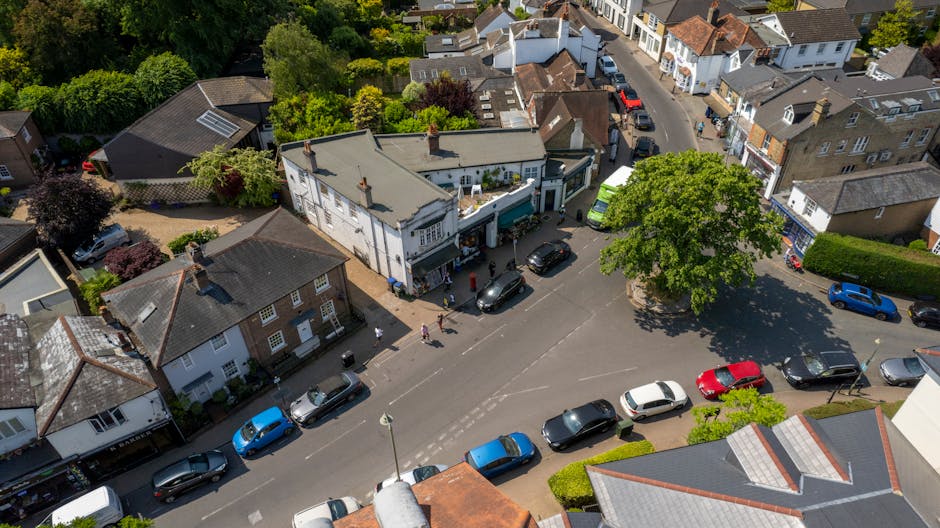
Old Coulsdon High Street removals: Narrow-access solutions
Posted on 14/05/2026
If you are planning a move on or around Old Coulsdon High Street, you already know the tricky part is rarely the lifting itself. It is the access. Tight parking. Narrow turns. Stairways that seem to shrink when you are carrying a sofa. A van that cannot sit directly outside the door. That is where Old Coulsdon High Street removals: Narrow-access solutions really matter. Done well, they keep your move calm, safe, and efficient rather than becoming a day of reversing, shuffling, and last-minute problem solving.
This guide breaks down how narrow-access removals work, what to expect, and how to prepare so your move feels manageable. You will find practical steps, useful comparisons, local moving tips, and a checklist you can actually use. And if you have ever stood in a hallway wondering how on earth a wardrobe is supposed to make that corner... yes, we've all seen that moment.
For readers looking to plan the wider move too, it can help to review the services overview, along with the local house removals in Old Coulsdon page and the broader Old Coulsdon removals service area.
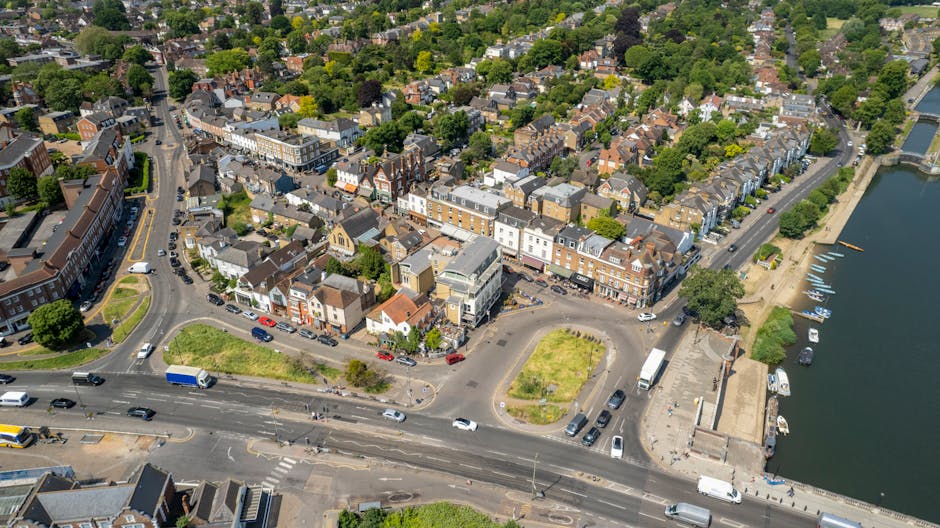
Why Old Coulsdon High Street removals: Narrow-access solutions Matters
Old Coulsdon High Street has the kind of access issues that can quietly turn a straightforward move into a logistical puzzle. It may not be the busiest road in London, but like many older high streets and residential pockets nearby, it can involve restricted kerbside access, parked cars, tight corners, limited turning space, and properties that were never designed around modern furniture sizes. A standard removals plan can work perfectly on a wide suburban driveway and fail completely on a narrow street.
That matters for three reasons. First, your belongings are at greater risk if items are squeezed, dragged, or carried too far without the right handling. Second, time slips away fast when the crew has to make repeated trips from van to door. Third, a move that starts with frustration tends to stay that way. Moving day is already intense enough without adding avoidable pressure.
The real value of a narrow-access plan is that it anticipates the awkward bits before they become problems. That might mean using a smaller vehicle, arranging a shuttle system, planning a shorter load route, or dismantling bulky furniture in advance. The principle is simple: reduce friction, reduce risk, keep momentum.
To be fair, a lot of people underestimate how much the local layout affects the move. A set of front steps, a tight entrance hall, or a shared access lane can matter more than the distance between properties. If you are moving from a flat, a converted house, or a terraced property, the issue is often less about volume and more about geometry.
Useful local preparation often starts with decluttering. If you want a smart head start, the guide on decluttering for an easier house move is a strong companion read. Less stuff usually means fewer awkward items to manoeuvre through difficult access.
How Old Coulsdon High Street removals: Narrow-access solutions Works
Narrow-access removals are built around planning, observation, and choosing the right equipment for the space. The process is not mysterious, just more considered than a standard collection-and-delivery job.
It usually begins with an access check. That may be done from photos, a phone call, a quick site visit, or a combination of all three. The aim is to answer simple but important questions: Can the van stop nearby? Is there room to unload safely? Are there stairs, low ceilings, awkward landings, or narrow doorways? Can any furniture move in one piece, or should it be dismantled?
From there, the moving plan is tailored. In some cases, a compact removal van or removal van in Old Coulsdon is a better fit than a larger vehicle. In others, a man and van service in Old Coulsdon is ideal because it offers flexibility and quicker manoeuvring in a tighter setting. For a bigger household move, the flat removals page is worth a look too, especially if stairs and shared access are part of the picture.
Then comes the packing and loading strategy. Items are grouped by size, fragility, and likely route through the property. Heavy pieces go first or last depending on the load plan. Fragile boxes stay protected and accessible. Very bulky furniture may be wrapped, protected, or partially dismantled so it passes corners cleanly without damage.
One small but important detail: timing. Narrow streets often work better with a timed arrival that avoids school runs, commuter traffic, or local parking churn. That little bit of scheduling can save a lot of headaches. It sounds obvious afterwards. It rarely feels obvious on the day.
Key Benefits and Practical Advantages
The biggest benefit of narrow-access moving support is simple: it lowers the chance of something going wrong. But there is more to it than just damage prevention.
- Less handling stress: Fewer awkward lifts and fewer forced turns through tight spaces.
- Better protection for furniture: Proper wrapping, dismantling, and load planning reduce scuffs and knocks.
- Faster flow on moving day: A clear access route keeps the job moving, even if the street is tight.
- Lower risk of delay: Small vehicles and pre-planned routes help avoid access problems.
- More flexibility for tricky items: Bulky sofas, mattresses, appliances, and pianos can be handled more safely.
- Less disruption to neighbours: A neat, efficient move is simply less intrusive on a busy street.
There is also a psychological benefit that people do not mention enough. A move feels easier when the plan matches reality. If the team has already considered the access constraints, you stop bracing for surprise complications. That makes a real difference, especially when you are trying to juggle keys, parking, children, pets, or that one drawer you forgot to label.
For heavy or specialist furniture, it is often worth pairing narrow-access planning with the right service page. The dedicated furniture removals in Old Coulsdon service can help with larger household pieces, while the piano removals in Old Coulsdon page is the one to review if your move includes an instrument that absolutely should not be improvised with.
Who This Is For and When It Makes Sense
Narrow-access removals are not just for people on a tiny road with no parking. They are useful whenever the access route is the hardest part of the move. That includes:
- Residents on Old Coulsdon High Street or nearby streets with limited stopping space
- People moving from first-floor or second-floor flats
- Households with large furniture, awkward appliances, or valuable specialist items
- Students moving in or out of compact accommodation
- Office moves where lifts, loading bays, or shared entrances are tight
- Anyone needing a same-day or rapid move with minimal planning time
If you are moving from a smaller property, the student removals in Old Coulsdon service may fit especially well, because student moves often involve narrow staircases, limited parking, and a surprising number of boxes packed the night before. We've all been there, or at least seen enough of it to recognise the pattern.
It also makes sense for anyone who wants a lower-stress approach rather than a bare-minimum transport job. If you want the move handled with more structure, it can help to compare options via removal services in Old Coulsdon and then look at support for storage if the timeline between properties is not perfectly aligned. The storage in Old Coulsdon option can be especially useful if the new place is not ready, or if access issues make a phased move easier.
Step-by-Step Guidance
Here is a practical way to approach a narrow-access move without overcomplicating it.
1. Map the access route
Walk the route from the property to the van location. Note door widths, stair turns, tight landings, door thresholds, low ceilings, and anything that might snag. If possible, take a couple of photos. A picture of the corridor, stairs, and street position can be worth more than a long description.
2. Measure the awkward items
Measure the length, width, and height of large pieces such as wardrobes, sofas, beds, mattresses, freezers, and desks. It sounds dull. It saves arguments later. If something is close to the limit, assume it will need to be tilted, protected, or dismantled.
3. Decide what should be dismantled
Flat-pack furniture, bed frames, shelves, table legs, and some wardrobes often move better when partly taken apart. For beds and mattresses, practical planning helps a lot; the dedicated bed and mattress moving guide gives good background on protecting those items properly.
4. Choose the right vehicle and crew size
In narrow-access situations, the biggest van is not always the best van. A smaller vehicle might park more easily and reduce the distance items need to be carried. A two-person crew may be enough for lighter moves, while larger or more awkward loads usually benefit from extra hands. Not glamorous, but very effective.
5. Pack for the route, not just the box
Pack with the move itself in mind. Heavy items go in smaller boxes. Fragile items get enough cushioning so they do not shift when carried up steps or around corners. The article on packing tips for a house move is a handy follow-up if you want to reduce risk before moving day.
6. Protect surfaces and furniture
Use blankets, wraps, corner protection, and floor coverings where needed. A narrow hallway can be unforgiving. One scraped wall or gouged door frame can sour the whole day, so a little protection goes a long way.
7. Load in the right order
Load heavier and sturdier items first, then fill gaps with boxes and lighter pieces. Keep fragile or time-sensitive items accessible if they need to come out first. This is the kind of detail that feels small until you are unloading in fading evening light and can't find the kettle. Then it feels enormous.
Expert Tips for Better Results
A few small adjustments can make narrow-access moves noticeably smoother.
- Book early in the day if possible. Streets are often quieter and parking is easier.
- Keep an honest inventory. The awkward item hidden in the spare room is often the one that causes the delay.
- Label rooms clearly. It helps with quick unloading when space is tight and there is not much room to sort.
- Use smaller boxes for books and kitchenware. Heavy oversized boxes become a nuisance fast.
- Reserve a fallback plan. If curbside parking is blocked, know where the crew can safely stage items.
- Protect the route inside the property. Old paintwork and polished floors are easy to mark during a busy carry.
Here is a slightly old-fashioned but useful tip: if a piece of furniture feels borderline, don't force optimism. Check the measurements again. Then check the corner angle. Then check the route. A lot of moving mishaps start with the sentence, "It should just fit."
If you are tempted to handle heavy lifting yourself, it helps to read a balanced view first. The article on safe heavy lifting on your own is useful, but for awkward stairwells or bulky items, professional handling is usually the wiser call. There is no prize for wrestling a wardrobe down a tight hall while your back quietly files a complaint.
For a broader sense of movement quality and service style, the local moving guide Old Coulsdon street-by-street tips also offers helpful context for the area.
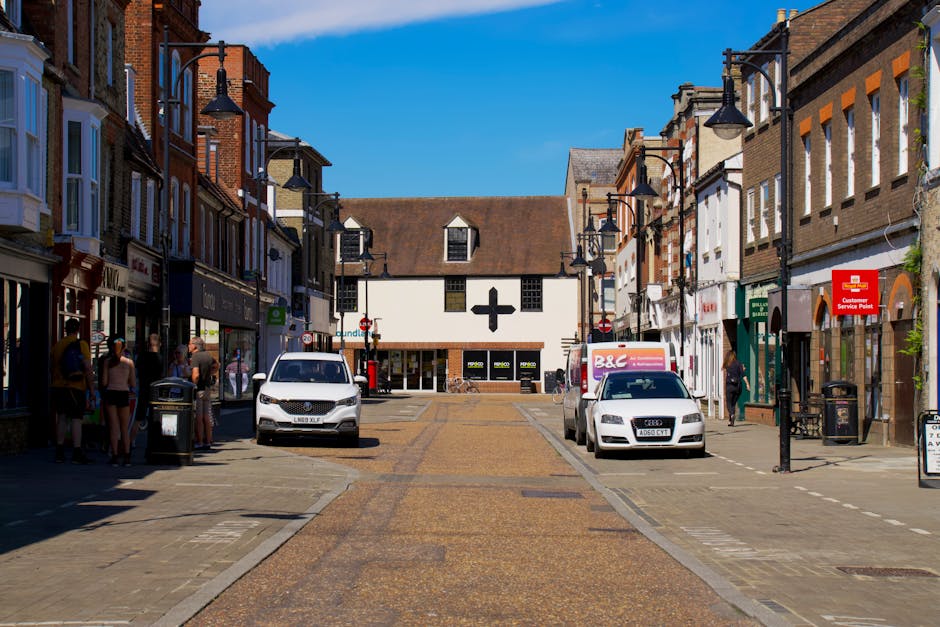
Common Mistakes to Avoid
Narrow-access moves go wrong in predictable ways. The good news is that most of them are preventable.
- Assuming access will be fine on the day. Streets change, neighbours park, and small issues become big ones quickly.
- Not measuring large furniture. Guesswork is a poor strategy for doorframes and stair turns.
- Overfilling boxes. A box that is too heavy can split, strain a mover, or slow the whole chain.
- Ignoring dismantling time. If a wardrobe needs to come apart, build that time into the plan.
- Leaving fragile items unprotected. A couple of wraps now is better than a costly repair later.
- Booking the wrong vehicle size. Too large can be awkward; too small can create multiple extra trips.
Another one: forgetting about the destination. People often focus on the narrow street they are leaving, but the new property may have its own challenge. Perhaps the parking is fine, but the hallway is narrower. Perhaps the stairs are tighter. Maybe both. It happens more often than you would think.
If you want to avoid wasted time, pair the move with good decluttering and a proper packing plan. The related guide on decluttering for an easier move and the practical page for packing and boxes in Old Coulsdon can make a real difference.
Tools, Resources and Recommendations
You do not need a warehouse of gear to manage narrow-access removals, but a few tools and resources are genuinely useful.
| Tool or Resource | Why it helps | Best used for |
|---|---|---|
| Measuring tape | Checks whether furniture will fit through tight spaces | Wardrobes, beds, sofas, appliances |
| Furniture blankets and wraps | Helps prevent scuffs, scratches, and corner damage | Wood, upholstered items, painted surfaces |
| Trolley or sack truck | Reduces strain on heavy boxes and appliances | Long carries and heavier loads |
| Corner protectors | Protects walls and furniture edges | Narrow stairwells and hallways |
| Strong tape and labels | Helps with fast room placement and secure packing | Whole-house packing |
| Storage option | Creates flexibility if access or timing is not ideal | Staged moves and delayed completions |
Some items need specialist handling rather than basic packing and lifting. Pianos are the obvious example. If that is part of your move, the specialist piano removals Old Coulsdon page is the safer route than improvising. Likewise, a sofa that has seen better days may need careful wrapping or temporary storage; the advice on sofa storage tactics is useful if the piece is going out of use for a while.
For appliances, planning matters too. Freezers are awkward because of their weight, shape, and the care needed when moving and storing them. If that is relevant, the guide on storing your freezer when it is not in service is worth a read before moving day.
Law, Compliance, Standards, or Best Practice
Most residential narrow-access removals do not require specialist permissions, but good practice still matters. If a van needs to stop on a restricted street, you should check local parking arrangements in advance and avoid assuming that waiting space will be available. In London, that can make a huge difference. A move that seems straightforward on paper can be slowed by loading restrictions, resident-only parking, or temporary obstructions.
Safety should also sit at the centre of the plan. Any responsible removals team should use sensible manual handling practices, safe loading methods, and suitable protective equipment where needed. That is not just about compliance; it is about avoiding preventable injuries and damage. If you are comparing providers, look for clear explanations of their insurance and safety approach, along with their health and safety policy. Those pages tell you a lot about how a company actually works.
It is also fair to expect transparent terms, clear payment details, and a sensible complaints process. That kind of openness is not fancy, just reassuring. You can review the company's terms and conditions, payment and security information, and complaints procedure if you want that extra layer of confidence before booking.
There is one more practical point worth saying plainly: if access looks difficult, tell the removals team early. Hiding the problem never helps. In fact, it usually creates the exact stress you were hoping to avoid.
Options, Methods, or Comparison Table
Different narrow-access jobs call for different methods. Here is a simple comparison to help you think it through.
| Method | Best for | Pros | Trade-offs |
|---|---|---|---|
| Small van with direct loading | Compact streets with limited parking | Easier to manoeuvre, less risk of access blockage | May require more than one trip for large loads |
| Man and van service | Smaller moves or mixed access challenges | Flexible, often quicker to arrange, adaptable | Not always ideal for full-house loads |
| Full removals team | Larger properties or bulky furniture | More hands, more lifting capacity, better for heavy items | Can be more than you need for very small moves |
| Split or staged move | Properties with severe access limits or timing issues | Reduces pressure, helps with storage and timing | Requires careful planning and coordination |
There is no single "best" option. The right method depends on the property, the furniture, the route, and how much time you want to spend on the day. A small flat move with a few bulky pieces can sometimes be trickier than a larger move with decent access. Funny, but true.
If you are unsure which route fits your situation, compare the specialist man with a van in Old Coulsdon option against the broader removal companies in Old Coulsdon page. That usually clarifies whether flexibility or full-scale support is the better match.
Case Study or Real-World Example
Imagine a couple moving from a first-floor property just off Old Coulsdon High Street. The access is tight, the stairwell bends halfway up, and the street parking is patchy because nearby residents are also out and about. They have a sofa, a bed frame, a large chest of drawers, a freezer, and about 40 boxes. Nothing outrageous. But enough to make things awkward.
A narrow-access plan would likely look like this: the crew confirms measurements in advance, asks for photos of the stairwell and front entrance, and suggests dismantling the bed frame before moving day. The sofa is wrapped carefully and moved with extra protection at the corners. The freezer is loaded with help from a trolley. Boxes are packed by weight so the lighter ones can be carried quickly down the stairs without strain.
The result is not magic. The move still takes effort. There is still some back-and-forth. But instead of repeatedly stopping to rethink the route, the team follows a plan that already accounts for the difficult bits. That is the difference between a move that feels chaotic and one that feels merely busy.
And that is usually what people want in the end: not perfection, just a move that runs properly. Calmly. One step at a time.
Practical Checklist
Use this as a quick final check before moving day.
- Confirm the access route from van to door
- Measure doorways, hallways, stairs, and large furniture
- Ask whether anything should be dismantled
- Book the correct vehicle size for the street
- Label boxes clearly by room
- Pack heavy items into smaller boxes
- Protect furniture with blankets or wraps
- Check parking, loading, and timing for the street
- Set aside essentials for easy access
- Consider storage if the move is staged or completion is delayed
- Share all access details with the removals team early
If you need to refresh the practical side of packing, the packing and boxes Old Coulsdon page is a good final stop before you start taping things shut.
Conclusion
Old Coulsdon High Street removals are much easier when narrow-access problems are treated as part of the plan, not as an unexpected complication. With the right vehicle, a sensible loading strategy, clear communication, and a bit of local know-how, even a tight street or awkward staircase becomes manageable.
The big takeaway is simple: preparation beats improvisation every time. Measure, plan, label, protect, and be honest about the access. If you do that, the whole move tends to feel lighter, quicker, and far less stressful. And that relief at the end of the day? It's real. The kettle goes on, the boxes are stacked neatly, and the worst of the hard work is behind you.
If you are ready to take the next step, explore the local service options, compare support levels, and make sure the moving plan matches the street you actually live on, not the street you wish you lived on.
Get a free quote today and see how much you can save.