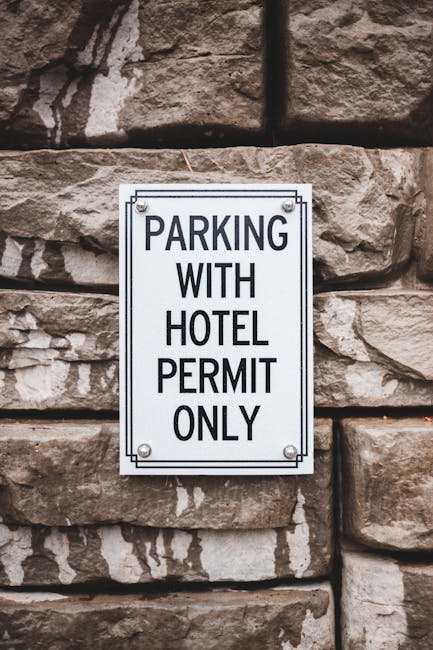
Croydon Council parking permits for Old Coulsdon moves
Posted on 22/06/2026
Croydon Council parking permits for Old Coulsdon moves: a practical guide for a smoother moving day
If you are planning a house move in Old Coulsdon, parking is one of those details that can quietly make or break the day. Croydon Council parking permits for Old Coulsdon moves are not the most glamorous part of moving home, but they can save time, reduce stress, and stop a removal van circling the road while everyone stands around wondering where to unload. In a place like Old Coulsdon, where some streets feel tight, busy, or simply awkward at the wrong hour, getting parking sorted early is one of the smartest things you can do.
This guide explains what the parking-permit process usually involves, why it matters, who needs it, and how to plan it into a move without turning the whole thing into a bureaucratic headache. We will also cover practical mistakes to avoid, a realistic checklist, and how parking fits into the wider moving picture alongside packing, access, and timing. In our experience, once parking is under control, the rest of the day feels much more manageable. Funny how that works.
Why Croydon Council parking permits for Old Coulsdon moves matters
Moving day already asks a lot from everyone involved. Boxes appear from nowhere, the kettle goes missing right when you want tea, and somebody always forgets which room the screwdriver went in. Parking issues add another layer of friction, and that layer can be expensive in the simplest sense: lost time, extra carrying distance, stressed neighbours, and the risk of a vehicle being forced to stop somewhere awkward.
Old Coulsdon has a mix of residential roads, narrow approaches, and streets where a large van can feel a bit out of place. If you are moving from a flat, a terrace, or a property with limited frontage, parking near the door matters even more. The closer the vehicle can get, the faster loading and unloading tends to be. That saves the team's energy, and it saves yours too.
There is also a courtesy factor. No one enjoys blocking access for neighbours, and on a busy move you may need to keep access clear for bins, emergency vehicles, or people coming and going from adjacent homes. A permit or some form of controlled parking arrangement helps you move in a way that is more orderly and less likely to ruffle feathers. That matters more than people think.
For more general moving planning, it can help to read about keeping house moves calmer from the start and local CR5 moving tips, especially if you are dealing with a street that needs a bit of forethought.
How Croydon Council parking permits for Old Coulsdon moves works
The exact process can vary depending on the street, the time of year, and whether any restrictions already apply outside your property. In plain English, the idea is usually this: if your removal van or moving vehicle needs to park in an area with restrictions, you may need permission or a temporary parking arrangement so the vehicle can load or unload without causing problems.
In some cases, residents arrange a permit or suspension in advance. In others, there may already be local restrictions that need to be worked around carefully. The important part is not to assume that "it will probably be fine." That phrase has caused more moving-day chaos than most people admit. One minute you are confident; the next, the van is half a road away and everyone is carrying a wardrobe like it is a plank of destiny.
As a rule of thumb, check the situation early and ask the right questions:
- Is the road subject to parking controls or permit bays?
- Can a removal vehicle stop close enough to the property?
- Will you need permission for loading only, or for a longer stay?
- Does the council require advance notice?
- Are there any height, width, or access issues that affect the vehicle choice?
This is where good moving planning overlaps with practical access knowledge. If your property has a tight turn, parked cars nearby, or a narrow frontage, the van size matters. A lot. You can explore related access-led moving advice in the narrow access solutions for Old Coulsdon streets article, which is especially useful for awkward roads and limited stopping space.
Key benefits and practical advantages
Getting the parking side right is not just about avoiding fines. It improves the whole rhythm of the move. Here are the main benefits people usually notice.
1. Faster loading and unloading
If the vehicle can park close to the property, movers spend less time walking items back and forth. That is a major win when you are carrying boxes, furniture, or anything with an awkward shape. It can also mean fewer trips in wet weather, which, let's face it, is a relief in the UK.
2. Less physical strain
The longer the carry distance, the harder the day becomes. Even with a capable crew, avoidable distance adds fatigue. That is one reason good parking planning works so well alongside sensible packing and lifting preparation. If you want to think more about the physical side, the piece on safe lifting and movement techniques gives a useful perspective.
3. Lower risk of disruption
Parking without a proper plan can create a chain reaction: delayed arrival, blocked access, complaints from neighbours, and rushed loading. A permit or approved arrangement keeps things steadier. The move becomes a sequence, not a scramble.
4. Better customer and neighbour experience
When everyone sees a clear plan, things feel more professional. That includes your neighbours. Nobody loves a street full of confusion, van doors open, and people weaving around each other at 8:00 in the morning with a sofa cushion under one arm.
5. Reduced chance of last-minute compromise
Without planning, you may end up parking further away than ideal or switching vehicles at the last minute. That is rarely where you want to be on moving day. If time is tight, the article on emergency man with van support in CR5 is a good reminder that flexibility is useful, but preparation is better.
Expert takeaway: the best moving-day parking plan is the one that makes the vehicle feel almost invisible in the process. Close, legal, clear, and not something you have to think about twice.
Who this is for and when it makes sense
Not every move needs the same level of parking preparation, but in Old Coulsdon it is wise to treat parking as a serious part of the brief. You are more likely to need a permit or council-aware parking plan if you are:
- moving from a street with permit-only or restricted parking
- using a larger removal van that needs space to manoeuvre
- moving from a flat with limited outside access
- living on a road where residents already compete for kerb space
- moving during peak hours when parking is tight
- dealing with bulky items that take time to load
- moving with children, pets, or elderly relatives and want the day to run quickly
It also makes sense if you are moving delicate or awkward items. A piano, for example, is not something you want to carry any farther than necessary. For that, you may want to look at piano removals in Old Coulsdon, because specialist handling and smart vehicle positioning go hand in hand.
Students moving in or out of shared housing may think parking is minor, but it can become a bottleneck when multiple people are involved and everyone's stuff is spread across a few rooms. The same goes for flat moves. If you are planning a smaller move, the pages on student removals and flat removals in Old Coulsdon may be useful context.
Step-by-step guidance
Here is a practical way to handle parking planning without overcomplicating it.
- Check the street layout early. Look at how close a van can realistically park to the entrance. Note any bends, parked cars, one-way sections, or visibility problems.
- Decide what type of vehicle you need. A smaller van may fit more easily, but if you have a full house move it could mean more trips. Balance access against capacity. That judgement matters.
- Identify any parking restrictions. If the road is controlled, assume you may need a council-approved arrangement rather than a casual stop-and-go.
- Build parking into your moving timeline. Do not leave it until the week of the move. If permission or coordination is required, it should sit alongside packing and booking transport.
- Confirm loading and unloading locations. Be specific. "Near the house" is too vague. You want a clear stopping point and a realistic walking route to the door.
- Share the plan with anyone helping. Your removal team, family, neighbours if needed, and anyone handling keys should know where the vehicle is meant to be.
- Prepare for a backup. If the first space is blocked, identify a fallback option. Nothing fancy, just a sensible Plan B.
While you are working through that process, it helps to pair it with packing discipline. The guide on packing tips that keep moving day simple can make the loading stage far less chaotic, especially if boxes are labelled well and grouped logically.
If you are also decluttering before you move, that can reduce the number of items loaded and shorten the time a vehicle needs to stay in place. It sounds small, but it can be the difference between a quick controlled load and a long drawn-out one. There is a useful piece on decluttering before a house move that fits neatly into this planning stage.
Expert tips for better results
A few small choices often make the biggest difference. Here are the things that tend to help most.
- Choose the quietest realistic loading window. Early morning can be better for access, but only if it does not clash with your own energy levels or neighbour sensitivities.
- Keep the entry path clear. Hallways, front gardens, and doorstep areas should be free of clutter before the van arrives. One old shoe rack can become surprisingly annoying in the middle of a move.
- Use signage or cones only if appropriate and lawful. Do not assume you can reserve space informally. If there is a proper council-approved method, use that instead.
- Measure large items before moving day. This is especially useful where parking access and doorway access are both tight. It avoids the classic "will it fit?" moment at the worst possible time.
- Match the vehicle to the property, not just the volume. A smaller van that can park closer can sometimes outperform a larger van that has to stop down the road.
When moving heavy furniture, the right loading position really matters. If you are tackling beds, wardrobes, or sofas, these articles may help you think through the logistics: moving a bed and mattress, sofa handling and storage, and heavy lifting best practice.
A small human tip? Keep a bottle of water and a pen in your coat pocket. People always laugh until they need them.
Common mistakes to avoid
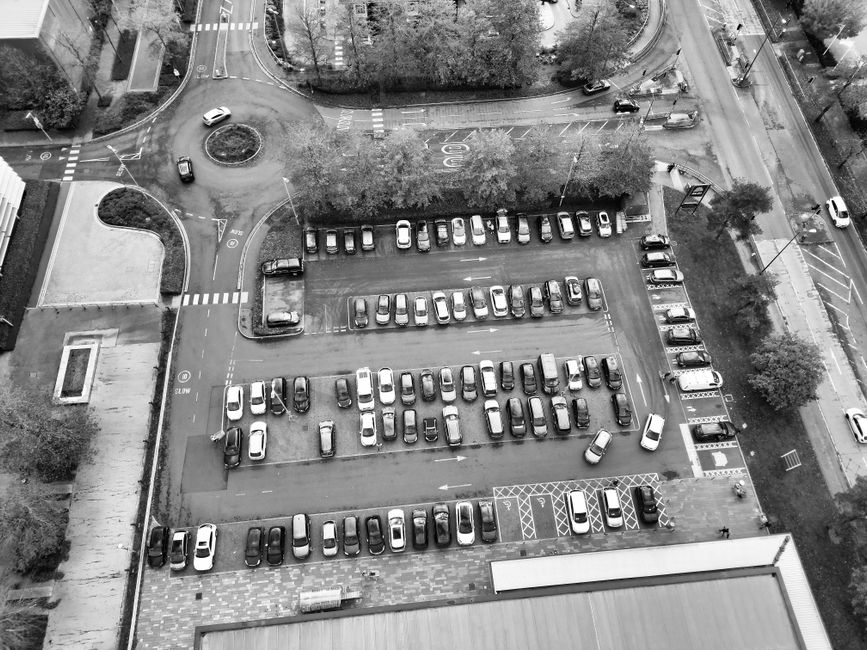
Parking problems are often caused by avoidable assumptions. Here are the big ones.
- Leaving parking planning too late. This is the most common issue. By the time the van is booked, the ideal space may already be gone.
- Assuming the street will be free. Streets in Old Coulsdon can be unpredictable. School runs, deliveries, and neighbour parking all change the picture quickly.
- Ignoring the size of the vehicle. A van that is too large for the road can create delays, even if the move itself is small.
- Not checking whether the property frontage is usable. A garden wall, parked car, or low branch can make the "obvious" stop point impossible.
- Forgetting loading time. A permit that works for five minutes may not be suitable if the move needs a longer loading window.
- Failing to coordinate with neighbours. A polite heads-up can prevent avoidable friction, particularly where parking is tight.
Another sneaky mistake is assuming that a move without much furniture needs less parking planning. Sometimes it does, sometimes it doesn't. A few bulky items, a narrow stairwell, and a tight bay can still slow everything down. That is where the wider support services can help, from removal services in Old Coulsdon to man with a van support for faster, simpler moves.
Tools, resources and recommendations
You do not need a complicated toolkit, but a few simple things make the parking side of moving much easier.
- Printed notes or a saved checklist: useful when phone signal, battery life, or general moving-day chaos gets in the way.
- Ruler or tape measure: handy for checking vehicle clearance, hallway widths, or whether a sofa will turn a corner without drama.
- Phone photos of the street: take pictures of likely parking spots and access points before moving day. A quick look at the images later can save guessing.
- Labels on boxes and furniture: helps the unloading sequence happen smoothly once the van is parked.
- A basic floor plan: particularly useful if you are coordinating a fast unload and want to reduce unnecessary carrying inside the property.
It is also worth thinking about the move as part of a wider service journey. If you need help with boxes, furniture, storage, or urgent scheduling, the following pages can be useful starting points: packing and boxes, furniture removals, storage in Old Coulsdon, and same-day removals.
If you are comparing move options and want a broader sense of service levels, the services overview and removal companies in Old Coulsdon pages can help frame what level of support feels right for your situation.
Law, compliance, standards, or best practice
Parking during a move sits in the world of local traffic control, road use, and practical access management. The safest approach is to treat any restrictions seriously and plan as if you will need formal permission wherever a road is controlled. Do not rely on guesswork or "it should be okay for a little while." Councils and local enforcement teams tend to prefer clear arrangements, and neighbours usually do too.
Best practice is straightforward: use the proper route for parking permission, allow enough lead time, and keep the vehicle positioned in a way that does not block access or create avoidable risk. If you are using a removals team, they should also work with sensible health-and-safety expectations, such as safe lifting, clear walkways, and manageable carry distances. The practical side of this is covered well in health and safety guidance and insurance and safety considerations.
From a customer point of view, good compliance is not just about rules. It is about reducing risk for everyone: the crew, your neighbours, your possessions, and the vehicle itself. A tidy, lawful parking plan is a small sign that the move has been thought through properly. That is reassuring, and it should be.
Options, methods, or comparison table
There is more than one way to handle moving-day parking. The right choice depends on the road, the property, and how much time you have.
| Approach | Best for | Pros | Watch-outs |
|---|---|---|---|
| Informal street parking | Low-restriction roads with easy access | Simple, quick if space is available | Unreliable, may disappear fast, may not suit larger vans |
| Temporary council-arranged permission | Restricted roads or tighter streets | More predictable, better access control | Needs lead time and proper coordination |
| Smaller vehicle with closer access | Compact moves, narrow streets, flats | Less walking distance, easier manoeuvring | May require more trips if volume is underestimated |
| Split-load approach | Complex moves or difficult streets | Flexible, can reduce pressure on one loading point | Can take longer and needs more planning |
To be fair, no table can replace common sense on the day. A street can look roomy on paper and be completely different at 7:30 in the morning. That is why local context matters so much.
Case study or real-world example
Here is a realistic example based on the kind of move people in Old Coulsdon often face.
A family moving from a three-bed house near a narrow residential road had a full van booked for Saturday morning. At first, they assumed parking would be easy because the street seemed quiet when they viewed the house. But on moving day, two cars were parked close to the kerb, a neighbour needed access to their driveway, and the van would have been forced to stop well away from the property.
They paused, reassessed, and arranged a smaller vehicle position nearer the junction while keeping the route clear. Boxes were grouped by room in advance, the heaviest items were loaded first, and fragile items were kept apart. The result? Less carrying, fewer awkward turns, and a far calmer unload. It was not perfect, because real life rarely is, but it was managed well.
What made the difference was not luck. It was early access planning, a sensible vehicle choice, and a willingness to adapt without panic. That is the real lesson here. Not glamourous, but extremely useful.
Practical checklist
Use this simple checklist before moving day:
- Confirm whether the road has parking restrictions
- Check if a permit or temporary arrangement is needed
- Choose a vehicle size that suits the street as well as the load
- Measure any tight access points
- Tell your removals team where the vehicle can stop
- Keep the driveway, path, and hallway clear
- Label boxes by room and priority
- Prepare a backup parking plan
- Warn neighbours if the road is likely to be busy
- Pack essentials separately so you are not searching for tea bags at the critical moment
If you are still in the planning stage, a little extra reading can help. The articles on parking near Coulsdon South Station and stress-free moves from Farthing Downs to London homes offer more local moving context that pairs well with parking decisions.
Conclusion
Croydon Council parking permits for Old Coulsdon moves may sound like a small administrative detail, but they can shape the whole moving experience. Good parking planning makes loading faster, reduces carrying distance, supports safer handling, and helps the day feel more controlled. That is especially valuable in Old Coulsdon, where access can vary from street to street and a little preparation goes a very long way.
Think of parking as part of the moving strategy, not an afterthought. Once the vehicle has a clear, lawful place to stop, everything else becomes easier to organise: the boxes, the furniture, the timing, and the people helping you. And honestly, that is what most people want on moving day. Less noise in the mind. Less scrambling. More progress.
If you are planning a move in the area and want help making the logistics feel less heavy, start early, keep the access plan simple, and give yourself a bit of breathing room. It makes a bigger difference than you might expect.
Get a free quote today and see how much you can save.