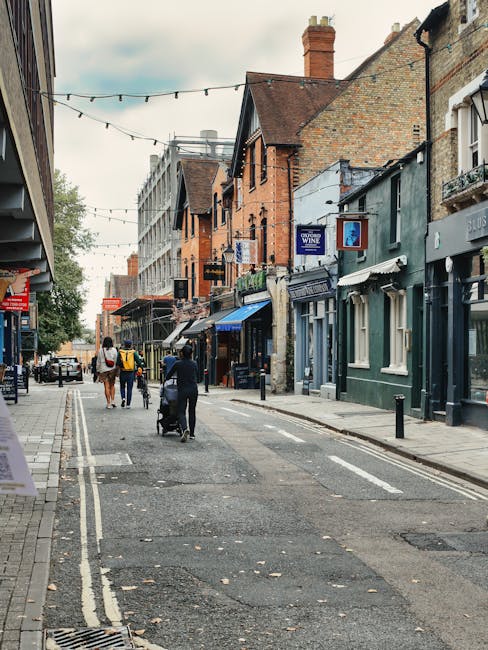
CR5 Moving Guide: Old Coulsdon Street-by-Street Tips
If you are planning a move in Old Coulsdon, the difference between a smooth day and a frustrating one often comes down to the street you are on, not just the size of the property. Narrow access, parked cars, hill gradients, turning space, and awkward loading points can all affect how a removal goes in CR5. This guide to CR5 Moving Guide: Old Coulsdon Street-by-Street Tips is designed to help you think like a local mover before the van arrives.
You will find practical street-level guidance, a clear step-by-step plan, and the kind of detail that helps you avoid avoidable delays. Whether you are moving from a terraced house, a flat, or a family home with a long carry to the road, the goal is simple: prepare properly, reduce stress, and protect your belongings.
For extra background on smoother moves, you may also find our guides on keeping a house move calm and organised, decluttering before relocating, and packing essentials for a successful move useful alongside this local guide.
Table of Contents
- Why CR5 Moving Guide: Old Coulsdon Street-by-Street Tips Matters
- How CR5 Moving Guide: Old Coulsdon Street-by-Street Tips Works
- Key Benefits and Practical Advantages
- Who This Is For and When It Makes Sense
- Step-by-Step Guidance
- Expert Tips for Better Results
- Common Mistakes to Avoid
- Tools, Resources and Recommendations
- Law, Compliance, Standards, or Best Practice
- Options, Methods, or Comparison Table
- Case Study or Real-World Example
- Practical Checklist
- Conclusion
- Frequently Asked Questions
Why CR5 Moving Guide: Old Coulsdon Street-by-Street Tips Matters
Old Coulsdon is not a one-size-fits-all moving area. Some roads are straightforward with reasonable parking and wider access, while others require more planning because of bends, gradients, on-street parking pressure, or a long walk from front door to loading point. That matters because every extra minute spent manoeuvring a sofa, mattress, washing machine, or boxed-up kitchen adds risk and cost.
A local move is often underestimated. People assume that because the postcode is familiar, the logistics will be simple. In reality, the practical details are what decide whether the day runs on time. If a van cannot stop close to the property, the crew may need a shorter carry route, more labour, or a different parking plan. Even a well-packed move can lose momentum if no one has checked access in advance.
This is especially relevant if you are managing the move yourself, booking a man and van service, or arranging a full house relocation. Small streets, tight corners, and local parking restrictions are easier to handle when you already know what to expect. That is the real value of a street-by-street approach: it turns unknowns into a plan.
There is also a financial angle. Time lost to poor access can increase labour hours, and rushed handling raises the chance of damage. A few minutes of planning before moving day can save far more time later. Truth be told, that is usually the cheapest part of the whole move.
How CR5 Moving Guide: Old Coulsdon Street-by-Street Tips Works
The guide works by breaking the move into local decision points rather than treating Old Coulsdon as a single area. You assess the street, the property type, the load-out route, and the vehicle access before the removal begins. That lets you choose the right vehicle size, the right arrival time, and the right packing strategy.
In practical terms, the process usually follows four layers:
- Street access check: Is there room for a van to stop safely and legally?
- Property access check: Are there stairs, narrow hallways, shared entrances, or a long path to the road?
- Load planning: Which items should come out first, and what needs two-person handling?
- Timing plan: Can the move begin at a quieter time of day to reduce parking stress and delays?
You do not need a perfectly technical survey to benefit from this approach. Even a quick walk around the street, some photos of the frontage, and a note of where a van could stop can make a major difference. If the move involves heavy or awkward items, it is smart to read up on solo heavy lifting tips and the safer handling advice in professional piano moving guidance.
For most households, the key is to match the move plan to the street rather than forcing the street to fit the plan. That shift in thinking is what keeps the day under control.
Key Benefits and Practical Advantages
A street-aware moving plan brings more than convenience. It improves safety, keeps belongings better protected, and helps the removal team work at a steady pace. That can matter just as much on a small local move as it does on a larger relocation.
- Less wasted time: You are not improvising access on moving day.
- Better vehicle choice: You can book the right van size for the route and load.
- Lower damage risk: Fewer awkward lifts, fewer tight turns, fewer rushed decisions.
- Cleaner handover: A well-planned departure supports a better final property clean.
- Lower stress: Everyone knows the sequence before the first box leaves the property.
Another advantage is that a local plan helps with staging. If you know the van cannot park directly outside, you can place boxes near the exit, protect floor surfaces, and keep wide items ready to move first. That saves the crew from moving pieces around twice, which is one of the easiest ways to burn time.
A helpful side effect is better packing discipline. When you know you may have a longer carry, you tend to pack boxes more carefully and distribute weight more sensibly. If you want to tighten that side of the move, the article on how to declutter before relocating is a practical companion read.
Who This Is For and When It Makes Sense
This guide is useful for anyone moving within or out of Old Coulsdon, but it is especially helpful in a few common scenarios. If your property is on a street with limited parking, if you are in a flat with shared access, or if you have large furniture to move, local route planning is not optional. It is part of the job.
You will get the most value from this approach if you are:
- moving from a family house with multiple bedrooms
- relocating from a flat or maisonette with stairs or communal access
- handling a student move with several smaller loads
- moving at short notice and need a same-day removals option for a tight turnaround
- transporting a piano, large wardrobe, or delicate furniture
- using self-storage and need items moved in stages
It also makes sense if you are comparing support levels. A full-service removal is not the same as a man-and-van booking, and neither is suitable for every address. If your move is small but awkward, you may benefit from a flexible man with a van solution. If it is larger or more complex, you may need a broader package such as house removals or even specialist furniture removals.
In plain English: if the street could slow the move down, this guide is for you.
Step-by-Step Guidance
The best way to approach an Old Coulsdon move is methodically. Here is a practical sequence that works well for most households.
1. Walk the route from front door to van space
Start with the route your items will actually take. Step outside and look at the path from the property to the kerb. Is it flat or sloped? Are there steps? Are there railings, narrow gates, or a hedge that will make turning a sofa awkward? This simple walk-through often reveals issues that people miss when they only look at the street from the car.
2. Check where the van can stop
Not every road allows easy stopping. Consider whether the driver can legally and safely park close enough for loading. If the answer is uncertain, plan for a longer carry and keep bulky items close to the exit. For large loads, it can help to review the practical hints in bed and mattress transport advice before moving day.
3. Sort items by difficulty, not just by room
Rooms are useful for packing, but loading is easier when you think in terms of shape, weight, and fragility. For example, mirrors, lamps, and framed art need careful placement; appliances need protection and often better timing; heavy boxes should not be buried under lighter, fragile ones.
4. Prepare large items in advance
Take apart what can be safely dismantled. Remove table legs, empty drawers where possible, disconnect appliances properly, and wrap furniture corners. If you are storing pieces between moves, our guide on storing a sofa properly can help you avoid long-term wear.
5. Protect entry points and floors
Hallways, bannisters, and door frames tend to get scuffed during rushed moves. Floor protection is worth setting up early, especially on wet or muddy days. A few sheets of cardboard or proper floor covers can prevent avoidable damage and save cleaning time later.
6. Build the load in order
Usually, the heaviest and most stable pieces go in first, followed by medium-weight items, then fragile boxes on top or in protected gaps. This is where good packing and loading logic matter. If you want a more detailed refresher, see packing essentials for a successful house move.
7. Leave yourself a final room-by-room sweep
Right before departure, check cupboards, loft spaces, under beds, and behind doors. It sounds obvious, but these are the places where chargers, keys, and important documents like to hide. The missing box or misplaced remote tends to reveal itself at the worst possible moment.
Expert Tips for Better Results
A few small choices can make the whole move noticeably easier. These are the ones that matter most in a local area like Old Coulsdon.
- Book the earliest practical slot: Morning starts often reduce the chance of parking conflicts and give you more room to resolve delays.
- Keep essentials separate: Make a clearly labelled bag with medications, chargers, documents, snacks, and a kettle kit for the first night.
- Label by destination and priority: Write both the room and whether the box is "first open" or "can wait".
- Use smaller boxes for heavy contents: Books, tools, and crockery are easier to carry in compact loads.
- Measure awkward furniture: A few seconds with a tape measure can prevent a costly surprise at a narrow doorway.
- Speak to neighbours if parking is tight: A polite heads-up can reduce friction and help everybody plan around the move.
If your move is physically demanding, it is worth taking lifting technique seriously. Good posture, bent knees, and short controlled lifts are not glamorous, but they are far better than a dramatic wobble in the hallway. For more on that side of moving, the piece on safe solo lifting techniques is worth a look.
A final expert point: if the property has awkward access, do not overfill boxes just to save time. Overpacked boxes are slower to carry and more likely to split. That is one of those mistakes people only make once.
Common Mistakes to Avoid
Most moving headaches are predictable. The trick is to catch them before they become expensive.
- Ignoring access restrictions: Not checking parking or loading space until the van arrives.
- Using the wrong vehicle size: A van that is too small causes extra trips; one that is too large may be harder to position.
- Packing by room only: That can make loading inefficient and create fragile-to-heavy stacking problems.
- Leaving dismantling until moving day: Beds, wardrobes, and desks often take longer than expected.
- Forgetting to protect surfaces: Door frames and floors are vulnerable during tight turns.
- Not preparing for weather: Rain and mud make local carries slower and riskier.
- Moving valuables without a plan: Keep passports, jewellery, and important paperwork with you, not in a random box.
One of the most common oversights is underestimating the time needed for each piece of furniture. A sofa may look simple until the angle of the staircase says otherwise. If that sounds familiar, our local sofa storage and handling advice can help you think more carefully about bulky items before the day begins.
Another easy mistake is assuming a short local move needs no briefing. Even a move across Old Coulsdon deserves a clear plan. Short distance does not automatically mean short effort.
Tools, Resources and Recommendations
You do not need a van full of specialist equipment to move well, but a few basic tools make a noticeable difference. Most are inexpensive and easy to source.
| Tool or Resource | Why It Helps | Best For |
|---|---|---|
| Furniture blankets | Protects wooden and upholstered items from scratches | Sofas, tables, wardrobes |
| Tape and labels | Keeps boxes identified and grouped by room or priority | General packing |
| Ratchet straps | Helps secure loads in the van | Heavy or mixed cargo |
| Dolly or sack truck | Reduces strain on long carries and heavier items | Appliances, stacked boxes |
| Wardrobe boxes | Keeps clothes cleaner and easier to unload | Bedrooms and short-distance moves |
| Local removal support | Brings route planning, lifting skill, and vehicle choice together | Most domestic and small business moves |
When choosing support, think about more than price alone. Look at the fit between your property type and the service offered. A small flat move may suit flat removal services, while a bigger home move may be better matched to full removals support. If you need temporary placement for items, storage options can also take pressure off the schedule.
One more practical recommendation: if you are moving business equipment or office furniture, do not treat it like a domestic job. Dedicated office removals are usually a better fit because they account for downtime, IT items, and workflow disruption.
Law, Compliance, Standards, or Best Practice
For a residential move, most readers are not dealing with complex legal issues, but there are still sensible standards to follow. In the UK, good moving practice usually means safe lifting, clear communication, appropriate insurance cover, and respect for parking or loading restrictions. If a van needs to stop on the road, it should be parked legally and safely. If access is shared, neighbours and residents should be considered.
It is also wise to check the moving company's own policies before you book. A reputable provider should be transparent about service scope, payment terms, and how complaints are handled. Pages such as insurance and safety, health and safety policy, terms and conditions, and complaints procedure are good places to confirm expectations before moving day.
If you are comparing companies, the real question is not only "can they move the boxes?" but "can they move them safely, fairly, and with proper care?". That standard matters on every street, including the quiet ones.
Options, Methods, or Comparison Table
There are several ways to handle a local move in Old Coulsdon. The best choice depends on property access, volume, timing, and how much help you want on the day.
| Method | Best For | Strengths | Limitations |
|---|---|---|---|
| DIY van hire | Very small, simple moves | Flexible and familiar if you already have drivers and helpers | High physical effort, loading risk, and more planning burden |
| Man and van | Smaller house moves, flats, student moves | Useful balance of help and flexibility | May not suit large homes or many bulky items |
| Full house removals | Larger properties and full contents moves | More structured, often faster, less physical strain for you | Usually needs earlier booking and more detailed planning |
| Specialist item removal | Pianos, large furniture, awkward heavy items | Better handling and reduced damage risk | Not designed for whole-house transport alone |
If you are undecided, start with the access problem rather than the item count. A small property with poor parking can be harder than a larger one with easy loading. That is why local street conditions matter so much.
Case Study or Real-World Example
Consider a typical Old Coulsdon move from a two-storey home on a residential road with limited parking. The family has a sofa, double bed, dining table, white goods, and a good number of boxes. At first glance, it looks like a standard local move. But the street is narrow, the driveway is short, and the only likely loading space is a short walk away.
Instead of starting with the van, the move is planned from the front door outward. Bulky furniture is dismantled the day before. Boxes are sorted into "carry first" and "load after furniture" groups. Floor protection is placed in the hallway. A parking plan is agreed in advance, and the team arrives with straps, blankets, and a route cleared from front room to kerb. The result is not magic; it is simply preparation.
What makes the difference is sequencing. The crew is not trying to decide what to do next while holding a mattress halfway through a doorway. By the time the first load leaves, the order is already decided.
This is also where local awareness pays off. If the move includes items like a freezer or sofa that may need storage between properties, it helps to review how to store a dormant freezer and how to protect a sofa during storage before anything is loaded.
The lesson is simple: the best moves often look uneventful because the planning happened early.
Practical Checklist
Use this checklist a few days before moving day, then do a final pass on the morning of the move.
- Confirm the moving date, arrival time, and contact details.
- Walk the route from door to van space and note any obstacles.
- Check whether parking, turning space, or loading access needs advance planning.
- Dismantle large furniture where appropriate and store fittings in labelled bags.
- Pack heavy items into smaller boxes to make carrying safer.
- Label boxes by room and priority.
- Set aside an essentials bag for the first 24 hours.
- Protect floors, corners, and bannisters.
- Keep valuables, keys, and documents with you.
- Arrange help for especially heavy or awkward items.
- Take photos of expensive or fragile items before they are moved.
- Do a final cupboard, loft, and under-bed check before leaving.
Expert summary: If you only remember one thing, make it this: local moving success in Old Coulsdon comes from planning the access route, not just packing the boxes. That one habit solves more problems than most people expect.
Conclusion
Moving in Old Coulsdon is much easier when you treat the street as part of the move plan. The road layout, parking reality, property access, and the type of belongings you are shifting all affect the day. A thoughtful local approach reduces lifting pressure, keeps the van loading efficient, and helps you avoid the kind of delays that turn a straightforward move into a long afternoon.
If you prepare the access route, pack with the loading order in mind, and choose the right level of support, you give yourself a much better chance of a calm, controlled move. That is true whether you are relocating a flat, a family home, a student property, or a handful of bulky items that need a careful hand.
When in doubt, plan early, label clearly, and choose practical help where it adds value. It is rarely the dramatic things that save a move; it is the steady, sensible ones.
Get a free quote today and see how much you can save.
Frequently Asked Questions
What makes a move in Old Coulsdon different from a standard local move?
Old Coulsdon can include narrow roads, parking limitations, and variable access around houses and flats. Those local factors affect how close a van can park, how far items must be carried, and how much time the move takes.
Do I need to check the street before moving day?
Yes. A quick walk outside can reveal parking issues, tight turns, steps, and long carry distances. That information helps you choose the right vehicle and avoid last-minute surprises.
Is a man and van service enough for a move in CR5?
Sometimes, yes. It depends on the volume of belongings, the property type, and access. A smaller flat or student move may suit a flexible service, while a larger home may need fuller removals support.
How do I know if I need a larger removal van?
If you have bulky furniture, many boxes, or a difficult loading route, a larger vehicle may reduce the number of trips. It is best to assess the load and access together rather than guessing by room count alone.
What should I do if parking is limited near my property?
Plan a legal loading spot in advance, speak to the removal provider early, and allow extra time for the carry. If needed, move smaller items closer to the exit so the loading process stays efficient.
How early should I start packing for a local move?
As early as you reasonably can. Even local moves benefit from staged packing, especially if you are sorting out fragile items, awkward furniture, or storage in between properties. A calm pace usually leads to better packing decisions.
What items are most likely to cause problems during loading?
Sofas, mattresses, wardrobes, pianos, white goods, and large mirrors often create the most difficulty. They are heavy, awkward, or both, so they need a clearer route and more careful handling.
Can I move a piano or other specialist item myself?
It is usually not recommended unless you have the right equipment, experience, and enough help. Specialist items can be heavy, delicate, and difficult to manoeuvre safely through doorways and stairs.
What paperwork or policies should I check before booking a mover?
It is sensible to review insurance, safety guidance, payment terms, and the complaints procedure. Clear terms are a good sign that the provider works professionally and transparently.
Should I declutter before moving in Old Coulsdon?
Yes, especially if access is tight or you are working to a schedule. Decluttering reduces the load, lowers packing time, and may save money if the move becomes faster or requires less vehicle space.
How can I protect furniture during a short local move?
Use furniture blankets, wrap corners, secure doors and drawers, and keep items upright where possible. Short moves still involve bumps, turns, and loading pressure, so basic protection is worthwhile.
What is the best first step if I am feeling overwhelmed?
Start with the access route and the largest item in the house. Once those are clear, the rest of the plan becomes easier to see. A move often feels bigger than it is until you break it into sensible steps.
Where can I find more help with packing and moving safely?
You can explore practical resources like packing essentials, calm move planning, and the relevant service pages for removal services and packing and boxes.